

Seasonal Home Maintenance Checklist: Navigating the October Transition from AC to Heating
The Crisp October Reality: Navigating the First Heating Cycle Your furnace has been sitting idle for months, and now that the first chilly evening has arrived, you finally switch the thermostat from cool to heat. But instead of immediate, comforting warmth, you are greeted by strange smells, unexpected clanking from the vents, and uneven temperatures that leave you wondering if something is broken. A comprehensive seasonal home maintenance checklist is exactly what you need to navigate this sudden shift. In our over 120 years serving Rockaway and the surrounding communities, the team at Speer Air has seen how the mid-fall October heating startup can be a stressful moment for homeowners. It forces a critical decision point: you need to know the exact difference between normal seasonal startup behaviors and the early warning signs of a failing system. During the warmer months, your central air system works tirelessly to remove heat and humidity from your living spaces. Just as understanding how your air conditioning system cools your home helps you recognize when summer maintenance is needed, understanding the reverse process for heating is essential for a smooth fall transition. When a furnace or heat pump kicks on for the first time after a long dormant period, it undergoes a harsh physical transition. Metal components expand rapidly, blower motors wake up from months of inactivity, and the ...
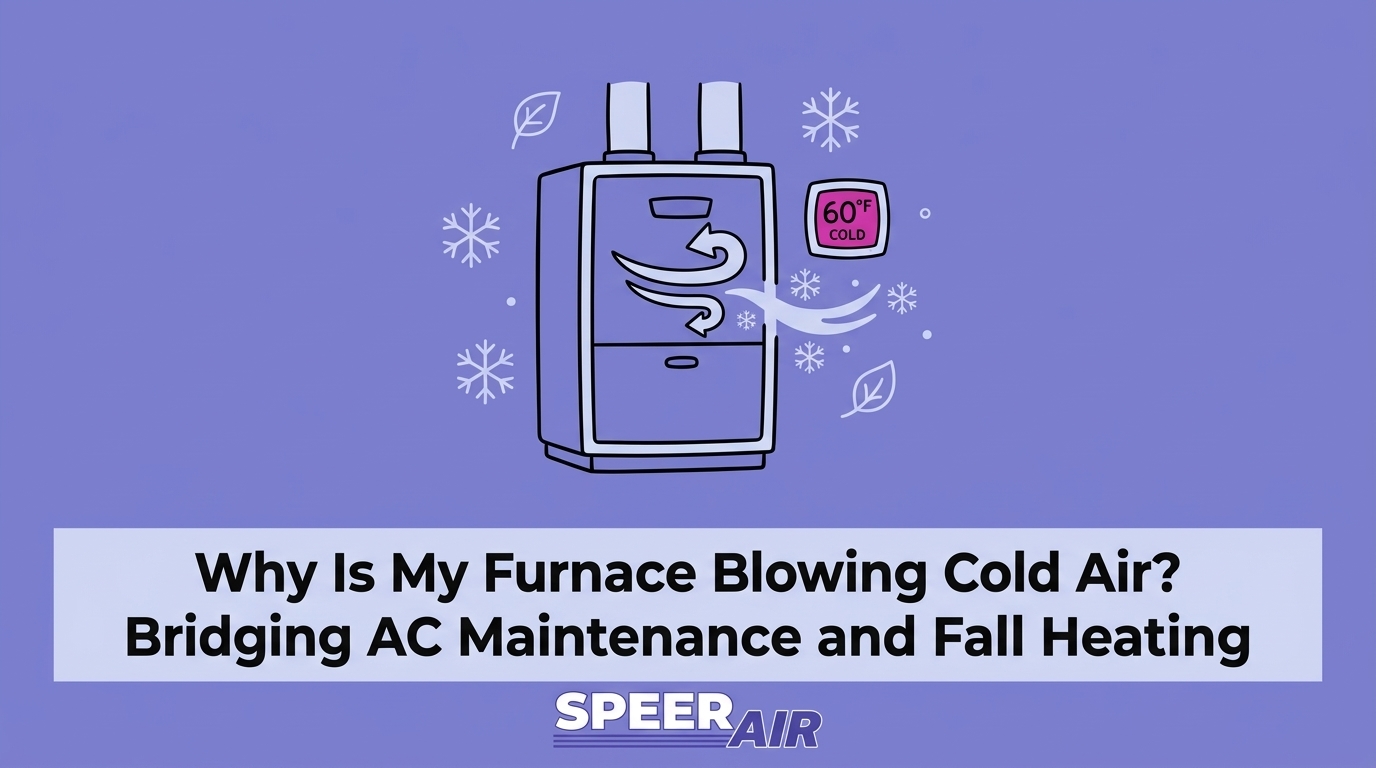
Why Is My Furnace Blowing Cold Air? Bridging AC Maintenance and Fall Heating
The Chilly Surprise: Turning on Your Heat for the First Time One of the most common homeowner questions answered during the sudden October temperature drops in Rockaway, NJ, is why a furnace blows cold air right after being turned on. That strange sensation of setting the thermostat for the first chilly morning of the year, only to feel a blast of cool air coming from the vents, can be incredibly unsettling. You rely on your heating system to provide immediate comfort, and when it seems to be doing the exact opposite, it is easy to assume that something is fundamentally broken. Transitioning from a long season of relying on your cooling equipment to initiating the very first fall heating cycle often brings a few unexpected mechanical quirks. After months of sitting dormant, your furnace requires a specific sequence of events to safely generate and distribute heat throughout your home. The core decision point for any homeowner in this situation is knowing whether to wait out what might be a completely normal system delay, or to shut the system down immediately and call a professional for help. Fortunately, a brief period of cool air is often just part of a normal, safe operational sequence built directly into modern heating systems. You do not need to panic the moment you feel a cool breeze from your registers. By understanding how your system transitions between seasons, you can ...
The Essential Seasonal Home Maintenance Checklist: Navigating Your Fall Heating Startup
Facing the First Cold Snap: Is Your Home Ready? Your furnace has been sitting dormant for months, and now the first real cold snap has arrived. When you finally switch the thermostat to “heat,” you might be greeted by a strange burning smell or an unsettling clunking noise instead of comforting warmth. Following a comprehensive seasonal home maintenance checklist is the best way to ensure your home is fully prepared for this transition. The shift from mild autumn days to freezing temperatures happens rapidly in Rockaway NJ and surrounding Morris County, leaving little room for error when it comes to your indoor comfort. Just as you might rely on an NJ AC tune-up guide to prepare for the heavy heat of summer, your heating system requires the same level of proactive attention before winter sets in. Homeowners often feel a wave of anxiety during that initial startup. Will the system turn on? Will it run safely? Addressing these questions proactively takes the guesswork out of your seasonal transition. By taking a methodical approach to your fall preparation, you protect your equipment from unnecessary wear and tear while securing your family’s comfort for the long, cold months ahead. The Crucial Timing of Your Heating System Startup Timing is everything when it comes to preparing your home for winter. There is a surprisingly narrow window between the mild, breezy days of autumn and the harsh, freezing temperatures ...
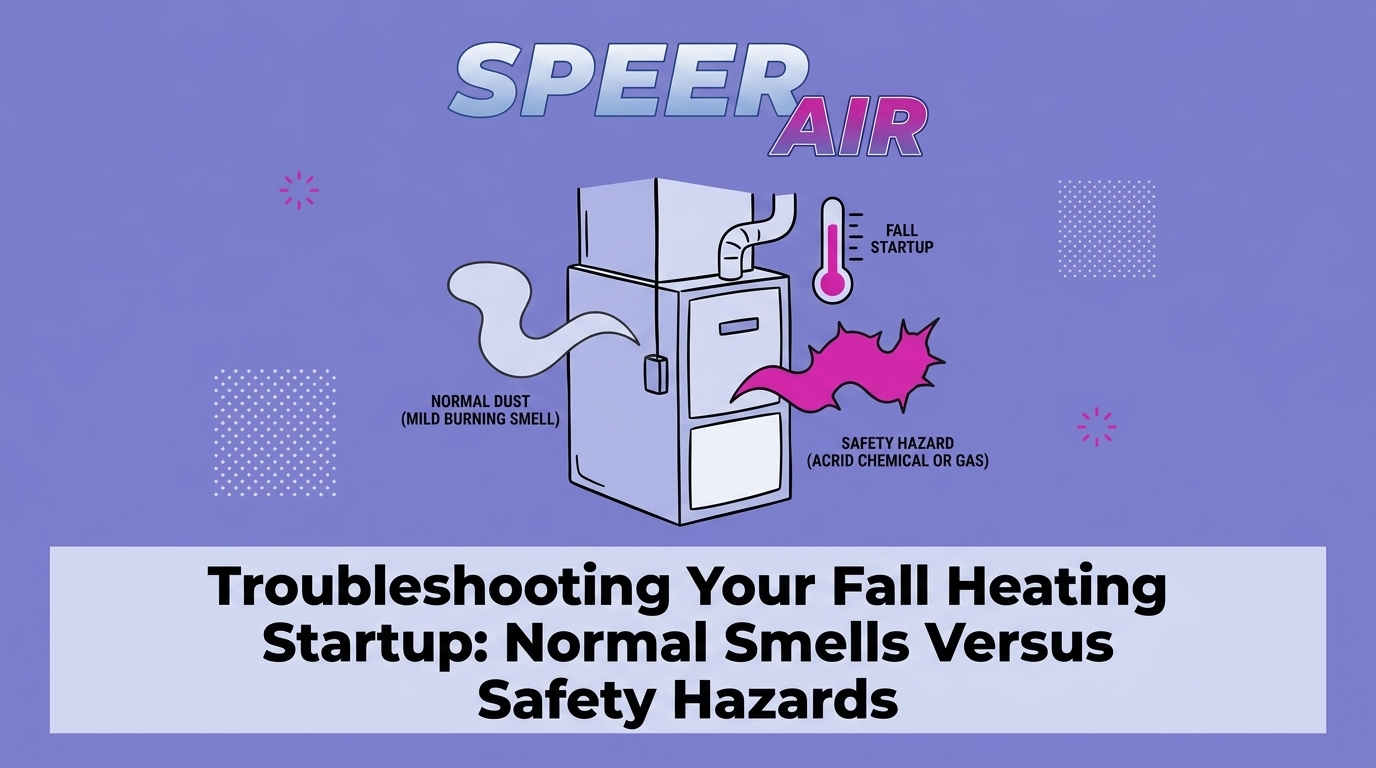
Troubleshooting Your Fall Heating Startup: Normal Smells Versus Safety Hazards
Navigating the First Chilly Night: When to Worry About Heating Smells You flip the thermostat to “heat” for the first time this season, expecting quick relief from the cold. But instead of just warm air, a distinct burning odor quickly spreads from the vents and fills your house. In our experience helping Rockaway NJ homeowners, finding reliable home maintenance tips and troubleshooting advice becomes an immediate priority when you are not sure if your system is just waking up or if your home is in actual danger. This unsettling experience is incredibly common during a mid-fall October heating startup. For months, your system has been dedicated entirely to keeping you cool. The sudden shift from heavy summer cooling to fall heating forces dormant mechanical parts back into action. Just as understanding how your air conditioner cools your home helps you manage summer comfort, our team knows that understanding how your furnace operates during its initial startup helps you make safe decisions in the fall. The central decision you face right now is identifying whether that burning smell is just harmless dust clearing out, or if it is a mechanical hazard that requires immediate attention. We always advise our customers to approach this with a safety-first mindset. You do not need to panic at the first hint of an odor, but you do need to stay vigilant and know exactly what to look for. Why the ...
Why Does My Heater Smell Like Burning? Common Homeowner Questions Answered
Is That Burning Smell Normal During the First Fall Cold Snap? Why does it suddenly smell like something is on fire the second you turn your thermostat to heat? Among the most common homeowner questions answered this time of year, this panicked inquiry easily takes the top spot. You wait for the first October cold snap, flip the switch to warm up your house, and are immediately hit with an alarming, smoky odor coming from your vents. The immediate decision you face is incredibly stressful: is this just harmless dust burning off, or is your heating system experiencing a dangerous mechanical emergency that puts your home at risk? Since our founding in 1900, our Speer Air technicians have guided generations of homeowners through these exact seasonal transitions. When sudden temperature drops hit Northern New Jersey, entire neighborhoods switch their heating on simultaneously, leading to a massive surge of these specific concerns. The short answer is that a brief burning smell is usually a completely normal part of the transition from cooling to heating. However, knowing exactly what to smell for can save you from a major breakdown. If you are looking for a comprehensive look at maintaining your system year-round, you can reference our NJ AC tune-up guide. The 30-to-60 Minute Rule: Understanding Harmless Dust Burn-Off Most of the time, that startling smell is simply dust incinerating. To understand why this happens, you have to look at what your heating ...
Understanding Your HVAC System: A Homeowner’s Guide to the Mid-Fall Heating Startup
The Crisp Morning Wake-Up Call: Is Your Heating System Ready? You adjust the thermostat for the first time since April, anticipating a wave of cozy warmth to chase away the autumn chill. Instead, a distinct burning smell fills the hallway, and the vents emit an unsettling series of clanks and clicks. Navigating home maintenance tips and troubleshooting is critical when your system acts up during that initial seasonal shift. In our over a century of serving Rockaway NJ homeowners, we’ve seen how the sudden temperature drop in October forces a rapid transition from cooling to heating, bringing a wave of anxiety about potential equipment failure. That first mid-fall heating startup often highlights the drastic shift your climate control system undergoes. Bridging the transition from summer cooling to winter heating requires understanding how your equipment operates after months of dormancy. This guide, drawn from our team’s extensive field experience, will help you separate harmless seasonal quirks—like burning off settled dust—from genuine mechanical hazards that require immediate attention. For a deeper understanding of your system’s seasonal cycles, learn how your air conditioner actually cools your home. The Anatomy of a Dormant Furnace: What Happens During Ignition? To understand why your system behaves strangely in October, you have to look at what happens during the four to five months it sits completely idle. Our technicians often find that in a typical Rockaway NJ ...